34th Infantry Division WWII Tour | Salerno, Cassino & Anzio
In the Footsteps of the Red Bulls
Salerno to Rome
This battlefield tour follows the complete WWII campaign of the 34th Infantry Division – the “Red Bulls” from the Salerno landings and the fighting along the Calore River and Volturno, through Alife and Sant’Angelo d’Alife, the hard winter battle of Monte Pantano, the approach to Monte Cassino via San Vittore, Cervaro and Monte Trocchio, and finally the Anzio beachhead, Cisterna, Lanuvio, Villa Crocetta and the liberation of Rome.
The 34th Division was one of the most heavily engaged American units in the Italian Campaign. This tour is designed for families of veterans, descendants and military history enthusiasts who want to walk in the footsteps of the Red Bulls. Tours are led by Dr. Danila Bracaglia, historian and fully licensed guide, with private transportation and historical material available on board (maps, photographs and wartime footage).
Private tour (up to 6 guests) – Custom research available if you share your veteran’s name/unit/documents.
Book Now
Dr. Danila Bracaglia
WhatsApp: +39 338 2458831
Email: danila.bracaglia@gmail.com
Tour Options
Choose the option that best fits your timeframe. All tours are private and fully customisable, and can be adapted to regimental routes (133rd, 135th, 168th Infantry), specific battles, or family stories and documents you wish to explore on the ground.
- 1 Day – Monte Cassino (Red Bulls Focus) – Cervaro, Monte Trocchio (panoramic view over Cassino and the Gustav Line), Hill 56 and Hill 213 (U.S. observation posts), Gari (Rapido) River crossing sites, Monte Cassino Abbey, Point 593 and Cassino town with the 34th Division memorial.
-
2 Days – Cassino & Anzio
Day 1: Full Cassino day in the footsteps of the 34th Division (Cervaro, Monte Trocchio, Hill 56/213, Gari River, Abbey, Point 593, Cassino town & memorials).
Day 2: Anzio landings and beachhead overview, Cisterna sector, advance toward the Alban Hills, and the approaches to Lanuvio including the Villa Crocetta area. -
3 Days – Paestum/Salerno - Monte Pantano - Cassino - Anzio - Villa Crocetta - Rome
Day 1: Salerno landings context and Paestum area, Calore River & Benevento sector, advance toward the Volturno.
Day 2: Monte Pantano winter battlefields, San Vittore & Cervaro approaches, Monte Trocchio and the Cassino overview.
Day 3: Anzio beachhead, Cisterna sector, Lanuvio and Villa Crocetta, concluding with the strategic context of the liberation of Rome.
From Salerno to the Volturno
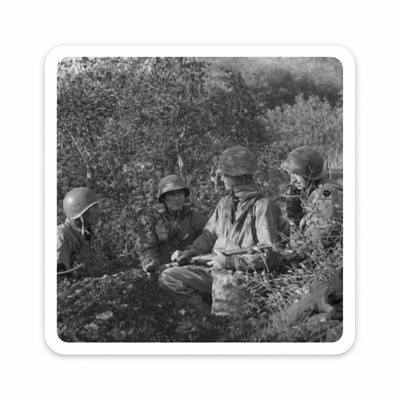
After the Salerno landings in September 1943, elements of the 34th Division came ashore to support the build-up of the beachhead and the advance inland. The Red Bulls moved through the Calore River sector and the area around Benevento, encountering German rearguard positions among the hills, rivers and small villages of inland Campania.
Alife & Sant’Angelo d’Alife – Upper Volturno Valley
After crossing the Volturno River, the 34th Infantry Division advanced north into the upper Volturno valley, toward the medieval towns of Alife and Sant’Angelo d’Alife. These were important road junctions controlling the entrances to the Matese mountains and the routes leading toward Venafro and San Vittore.
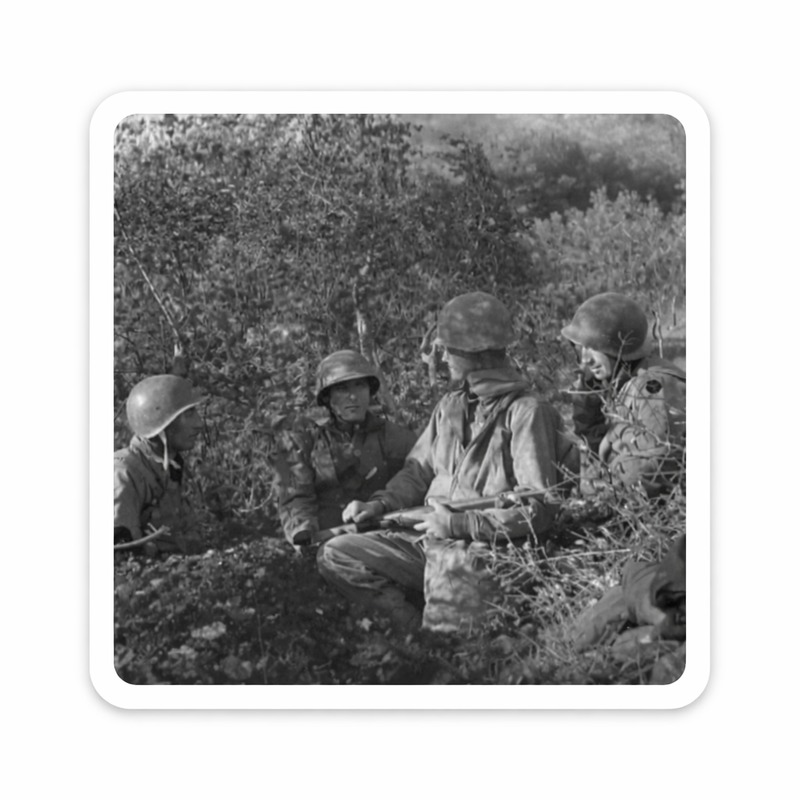
In mid–October 1943, battalions of the 133rd and 168th Infantry Regiments clashed with German rearguard forces around Alife, where buildings and ancient walls were used as strongpoints. Sant’Angelo d’Alife was defended from the ridgelines above the town, with machine-gun nests and mortars observing the valley floor. House-to-house fighting and well-coordinated artillery finally forced the Germans to withdraw, opening the way toward Monte la Chiesa and the Monte Pantano massif.
Monte Pantano – Winter Battle in the Mountains
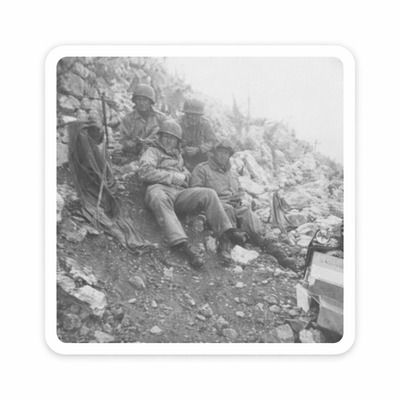
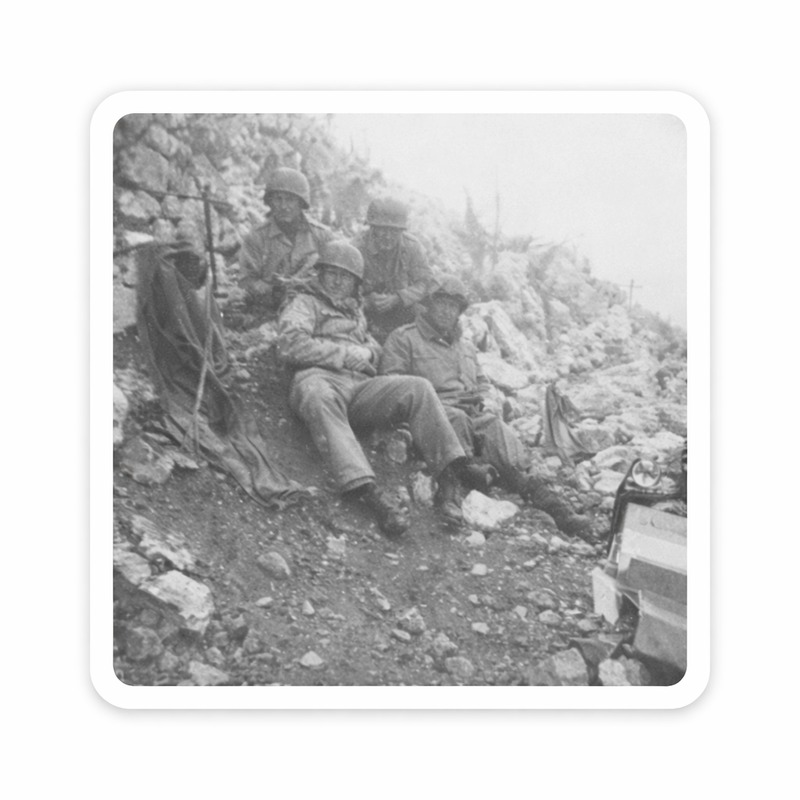
In November and December 1943 the Red Bulls fought one of their hardest battles on Monte Pantano, a key bastion of the German Bernhardt Line overlooking the routes to San Vittore and the Liri Valley. The men of the 34th Division climbed the steep, rocky slopes in rain, mud and freezing cold, often under direct observation and fire from well–prepared German positions.
War photographer Robert Capa accompanied the division during this phase and later described the conditions on Monte Pantano as some of the most miserable he had seen in the Italian Campaign: exhausted soldiers covered in mud, hauling equipment up the mountain in the dark, with shells exploding on the ridges above them. His photographs of these men have become iconic images of the winter war in Italy.
The capture of Monte Pantano in late December 1943 opened the road to San Vittore and brought the 34th Division closer to the main German defensive line: the Gustav Line.
San Vittore, Cervaro & Monte Trocchio
In early January 1944, the 34th Division took part in the fighting around San Vittore and then advanced through Cervaro, a village repeatedly bombed and shelled, where the ruins still mark the frontline. From here, the Red Bulls pushed on to capture Monte Trocchio, the last German-held height before Cassino.
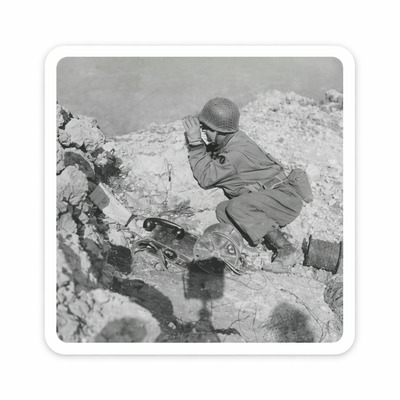
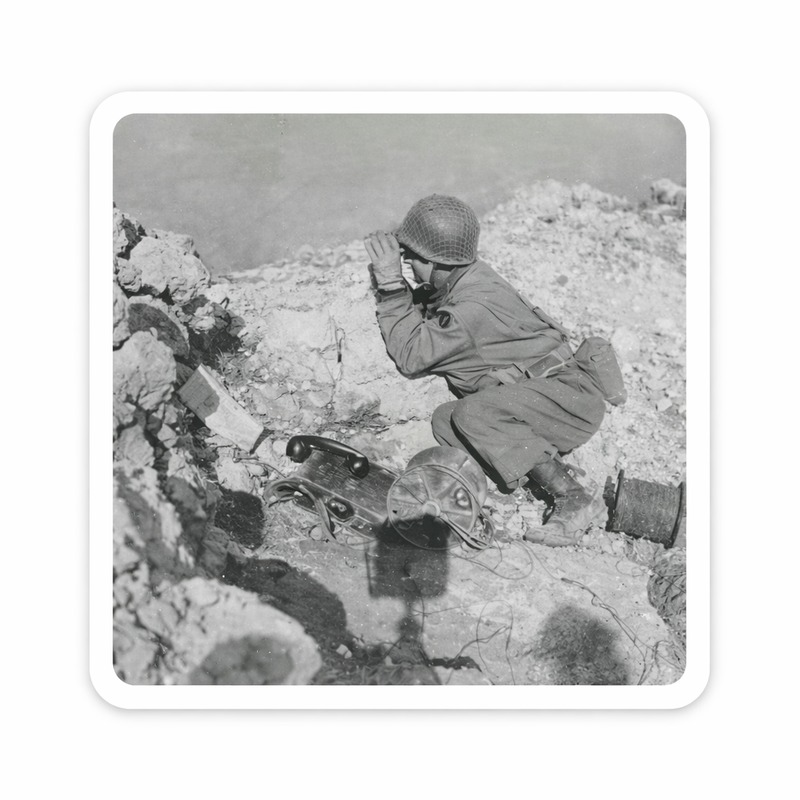
Monte Trocchio offered a commanding view over the Liri Valley, the town of Cassino, the Abbey hill and the course of the Gari (Rapido) River. It became a major observation point for Allied artillery and an ideal place today to introduce the complexity of the Cassino battlefield.
Hill 56, Hill 213 & the Gari (Rapido) River
Near Cassino, the 34th Division made use of Hill 56 and Hill 213 as artillery observation posts and command points. From these low ridges, U.S. artillery observers could direct fire in support of the infantry struggling to cross the Gari (Rapido) River and climb the slopes toward Monte Cassino.
In January 1944, Red Bull infantry crossed the Gari under intense machine-gun, mortar and artillery fire. Many assault boats were destroyed or overturned in the strong current. Despite heavy losses, the division managed to establish small bridgeheads on the far bank and push into the broken ground at the foot of the mountain.
The Battle of Monte Cassino
During the First Battle of Monte Cassino, the 34th Infantry Division climbed higher and closer to the monastery than any other Allied unit in this phase of the campaign. Battalions fought their way through ravines, rocky outcrops and ruined farm buildings, capturing positions on the slopes facing the Abbey.
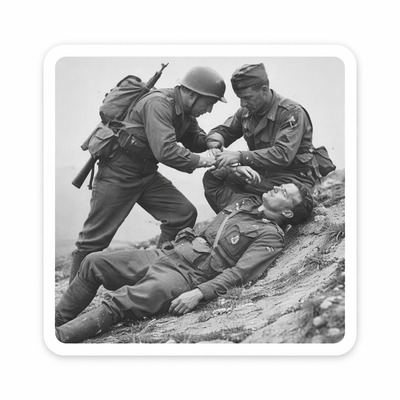
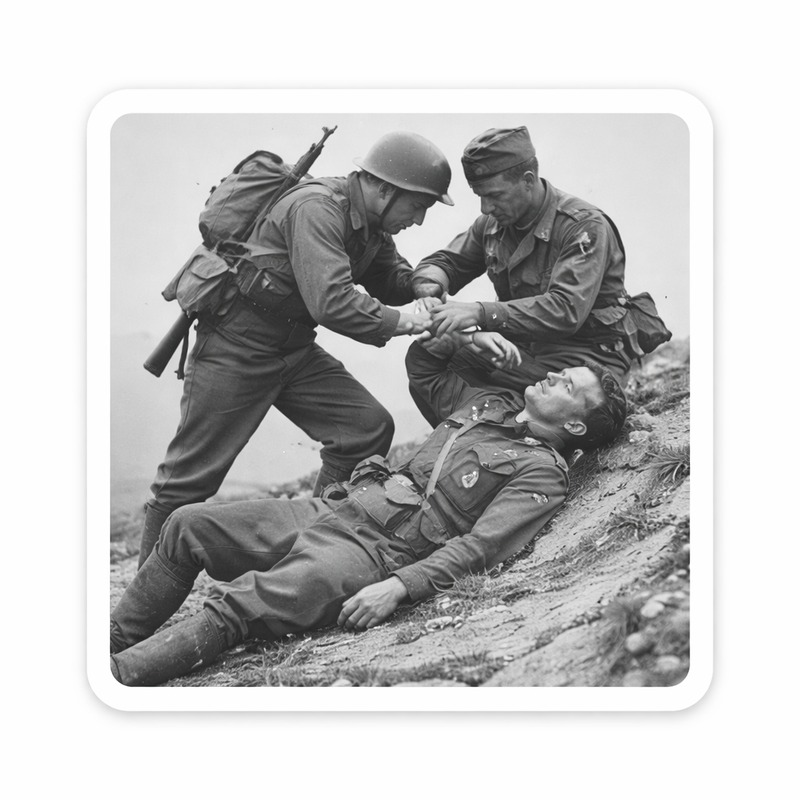
The Red Bulls held these exposed positions under constant artillery fire and counterattacks before being finally withdrawn for rest, having suffered heavy casualties. Their efforts weakened the German defenses, forcing the enemy to commit elite reserves to prevent a breakthrough.
From Cassino to Anzio
After Cassino, the 34th Division was moved to the Anzio beachhead in March 1944. Here the division held defensive positions under shelling, air attacks and several German counterattacks, before taking part in the Allied offensive launched in May 1944 to break out of the pocket.
Anzio, Cisterna & the Road to the Alban Hills
On 23 May 1944, the Red Bulls joined the offensive that broke the Caesar Line. The division advanced from the Anzio sector through the countryside around Cisterna, fighting against German rearguard positions and minefields. After Cisterna, the 34th pushed towards the slopes of the Alban Hills, moving through the ridges near Velletri and preparing the attack on Lanuvio.
Lanuvio & the Battle of Villa Crocetta
The approaches to Lanuvio were defended by German units who used farmhouses, vineyards and terraced fields as fortified positions. One of these strongpoints was Villa Crocetta, a prominent farmhouse located just outside Lanuvio, dominating one of the main access routes.
On 2–3 June 1944, elements of the 135th Infantry Regiment attacked Villa Crocetta under heavy machine-gun and mortar fire. Using flanking movements through the vineyards and close-support artillery, the Red Bulls eventually captured the villa, breaking the local German line and opening the way into Lanuvio.
For more information about the battles in Anzio of the 34th Infantry Division: AnzioTours.com
Rome – 4 June 1944
On 4 June 1944, units of the Red Bulls entered Rome, taking part in the liberation of the Italian capital. For the men of the 34th Division, the long journey from Salerno to Rome had finally reached its goal, though the campaign in Italy would continue further north.